Source Online UPS for Communication, Industry, and Lighting
Compare 30 online ups units from Chinese manufacturers offering single-phase and three-phase options. Buyers can evaluate sine wave outputs, capacities from 2kVA to 400kVA, and various standby times for communication, industry, and lighting applications.
Key considerations
Products List


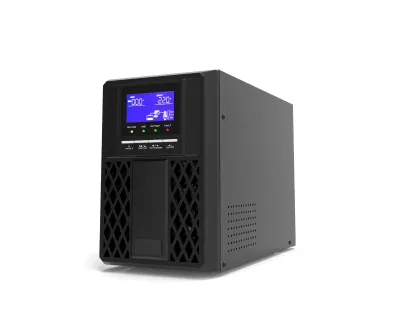


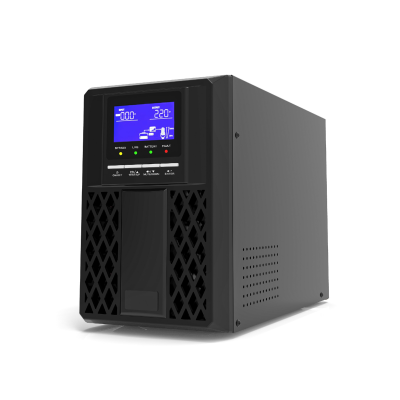
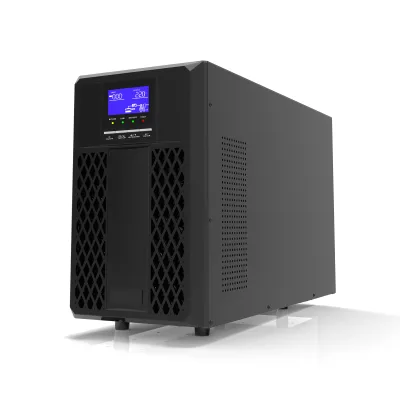


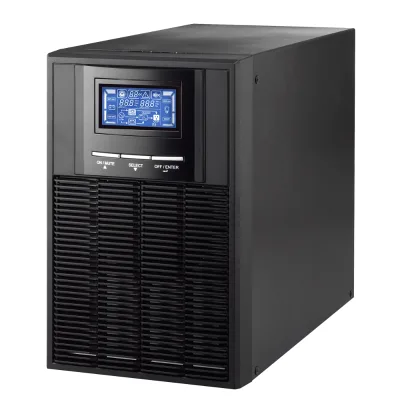


Comprehensive Sourcing Guide
Strategic Sourcing Guide for Online UPS Systems
Understanding Technical Specifications and Performance Metrics
When sourcing an Online Uninterruptible Power Supply (UPS), the primary objective is to ensure continuous, clean power delivery to critical loads. The fundamental architecture of an Online UPS involves a double-conversion process where incoming AC power is converted to DC to charge batteries and then inverted back to AC for the load. This design ensures that the load is completely isolated from utility power fluctuations, making it the preferred choice for sensitive electronic equipment.
Buyers must scrutinize specific technical attributes to match the UPS to their operational needs. A critical observation in the current market is the distinction between output waveforms. While some units offer Square Wave Output, high-reliability applications typically require True Sine Wave Output. The latter is essential for equipment with active power factor correction (PFC) circuits, such as modern servers and medical devices, as it prevents overheating and ensures stable operation. The observed data indicates that certain models provide a True Sine Wave, whereas others may utilize Square Wave technology, necessitating a clear verification of the waveform type before procurement.
Input voltage tolerance is another vital specification. A robust Online UPS should accommodate a wide input voltage range to handle grid instability without draining the battery unnecessarily. Specifications such as an input voltage range of 110VAC to 288VAC demonstrate a system capable of handling significant grid variance. Furthermore, the output power factor is a key indicator of efficiency and load handling capability. An output power factor of 0.9 allows the UPS to deliver more real power (Watts) relative to its apparent power (VA), maximizing the utility of the installed capacity.
Capacity sizing is equally critical. The market offers a spectrum of output capacities, ranging from Small Type units suitable for single workstations to Large Type systems designed for data centers or industrial facilities. Specific model data points to capacities such as 2kVA/1800W for smaller deployments and ranges extending up to 10-400kVA for large-scale infrastructure. Buyers must calculate their total load requirements, including a safety margin for future expansion, to select the correct capacity tier. Additionally, the battery voltage, such as a 72VDC configuration, dictates the internal architecture and the number of battery cells required, influencing both the physical size and the maintenance cycle of the unit.
Compliance, Certification, and Regulatory Standards
In the global B2B procurement landscape, verifying compliance with international standards is non-negotiable. A reliable Online UPS must adhere to rigorous safety and environmental regulations to ensure operator safety and market access. The supply chain for these systems often references certifications such as CE, RoHS, SGS, and ISO. These marks indicate that the product meets specific European safety directives, restricts hazardous substances, and adheres to quality management systems.
When evaluating a potential supplier, buyers should request valid certificates for CE and RoHS compliance. The CE mark confirms conformity with health, safety, and environmental protection standards for products sold within the European Economic Area. RoHS compliance ensures that the electronic equipment does not contain restricted hazardous materials like lead, mercury, or cadmium, which is crucial for environmental sustainability and disposal regulations. SGS certification often serves as an independent verification of product quality and safety, adding a layer of trust to the manufacturer's claims.
Beyond general certifications, specific product standards regarding dimensions and weight must be verified to ensure compatibility with existing infrastructure. For instance, physical specifications such as a width of 6.7 inches or a standardized rack size of 450482.688mm are common in the industry. However, larger industrial units may have significantly different dimensions, such as 5507201200mm, and weights reaching 232kg. Buyers must cross-reference these physical specifications with their facility's floor load capacity and rack space availability.
It is also important to note the geographical origin of the products, as this can influence shipping logistics and regulatory requirements. Many Online UPS systems originate from manufacturing hubs in China, including specific regions like Qingdao or Guangdong. While origin does not inherently dictate quality, it affects lead times, import duties, and the availability of local support. Buyers should ensure that the supplier provides clear documentation regarding the place of origin to facilitate customs clearance and regulatory compliance in the destination country.
Cost Drivers and Total Cost of Ownership Analysis
The pricing of Online UPS systems varies significantly based on capacity, technology, and feature sets. The observed market data reveals a wide price range, from approximately $1 to $35,000 USD. This disparity is driven by several factors, including the output capacity, the type of waveform, and the inclusion of advanced features like remote monitoring or extended battery packs. Small type units with lower capacities will naturally fall at the lower end of the spectrum, while large type systems capable of handling 10-400kVA will command premium prices.
Minimum Order Quantity (MOQ) is another critical cost driver. The market shows an MOQ range from 1 unit to 50 units. For small businesses or pilot projects, an MOQ of 1 allows for flexible procurement without significant capital commitment. Conversely, large enterprises may negotiate better pricing by meeting higher MOQ thresholds. Buyers should analyze their volume requirements to determine the optimal order size that balances inventory costs with unit price discounts.
Beyond the initial purchase price, the Total Cost of Ownership (TCO) must be considered. This includes the cost of batteries, which are consumable components with a finite lifespan. The standby time of the unit, whether classified as a Standard Machine or a Long-acting Machine, directly impacts the battery configuration and replacement frequency. A Long-acting Machine will require a larger battery bank, increasing the initial cost and the long-term maintenance expense.
Efficiency is a hidden cost driver that affects operational expenses. An Online UPS with an efficiency rating of 91% will consume less electricity and generate less heat compared to less efficient models. Over the lifespan of the unit, the energy savings from high efficiency can be substantial, particularly in 24/7 data center environments. Additionally, the warranty period, such as a standard 2-year warranty, influences the risk profile of the purchase. A longer warranty may indicate higher confidence in product reliability and can reduce the financial risk of premature failure.
Typical Applications and Operational Environments
Online UPS systems are deployed across a diverse range of industries, each with unique power quality requirements. The classification of these systems often aligns with their intended application. For the communication sector, where network integrity is paramount, Online UPS units provide the necessary protection against power interruptions and voltage sags. The centralized model is frequently preferred in these environments to ensure that entire network racks or server rooms remain operational during grid failures.
In the industrial sector, the requirements shift towards robustness and the ability to handle heavy machinery. Decentralized models are often utilized here, providing localized power protection for specific production lines or critical control systems. The ability to withstand harsh environmental conditions and provide stable power to inductive loads is essential. The application data suggests that these systems are designed to support industrial equipment, ensuring that production is not halted by power anomalies.
Lighting and power distribution systems also rely on Online UPS technology. Whether for commercial lighting or specialized industrial lighting, the stability of the power supply ensures consistent illumination and prevents damage to sensitive ballasts or drivers. The classification of these units as "Lighting/Power" or "Lighting" highlights their versatility in maintaining power quality for non-computing loads as well.
The choice between centralized and decentralized equipment modes depends on the facility layout and the criticality of the load. Centralized models offer a single point of management and protection, ideal for data centers or server rooms where all equipment is housed in a specific location. Decentralized models, on the other hand, provide flexibility for facilities where critical loads are distributed across different areas, allowing for targeted protection without the need for a massive central system.
Supplier Evaluation and Quality Assurance Protocols
Selecting a reliable supplier for Online UPS systems requires a rigorous evaluation process. Buyers should prioritize suppliers who demonstrate transparency in their product specifications and provide verifiable evidence of their manufacturing capabilities. The availability of customization is a significant indicator of a supplier's flexibility and ability to meet specific client needs. Whether it is adjusting the input voltage range, modifying the battery configuration, or customizing the packaging, a supplier's willingness to customize suggests a customer-centric approach.
Quality control is paramount in the procurement of power protection equipment. Buyers should inquire about the supplier's quality assurance processes, including in-house testing and third-party inspections. The presence of certifications like SGS and ISO is a strong indicator of a commitment to quality. Additionally, the packaging method, whether it is a wooden case, standard export packing, or cartons, reflects the supplier's attention to protecting the product during transit. For heavy industrial units, robust packaging like plywood cases is essential to prevent damage during shipping.
The display and alarm features of the UPS are also indicators of the supplier's focus on user experience and maintenance. Features such as LED or LCD displays (with LCD as an option) allow operators to monitor the system status in real-time. Buzzer alarms for conditions like battery mode, low battery, overload, and fault provide immediate feedback, enabling quick response to potential issues. These features are critical for minimizing downtime and ensuring that the UPS operates within its designed parameters.
When evaluating suppliers, buyers should also consider the geographical location of the manufacturing facility. Suppliers based in regions like Qingdao or Guangdong in China have established supply chains and logistics networks. However, the proximity to the buyer's location can impact lead times and shipping costs. Buyers should verify the lead time and delivery capabilities of the supplier to ensure that the procurement timeline aligns with their project schedule.
Long-Term Procurement and Maintenance Considerations
Sourcing an Online UPS is not a one-time transaction but the beginning of a long-term relationship with the supplier. Buyers must consider the long-term availability of spare parts, particularly batteries, which are the most frequent point of failure. The warranty period, typically 2 years for many units, provides a baseline for support, but buyers should inquire about extended warranty options and the availability of service contracts.
Maintenance planning is essential for maximizing the lifespan of the UPS. The standby time classification, whether standard or long-acting, influences the maintenance schedule. Long-acting machines may require more frequent battery checks and replacements. Buyers should establish a maintenance protocol that includes regular testing of the battery bank and inspection of the internal components to prevent unexpected failures.
The frequency range of the UPS, typically 50/60Hz with an operational range of 40Hz to 70Hz, ensures compatibility with various grid standards globally. However, buyers should verify that the unit can handle the specific frequency variations of their local grid to avoid performance issues. The output voltage, such as 220V, must also match the requirements of the connected equipment to prevent damage.
Finally, buyers should consider the scalability of the system. As the load requirements grow, the ability to upgrade or expand the UPS system without replacing the entire unit is a valuable feature. Modular designs or the ability to parallel multiple units can provide the flexibility needed for future expansion. By focusing on these long-term considerations, buyers can ensure that their investment in Online UPS systems remains reliable and cost-effective over the years.
FAQs
What output waveform types are available for online UPS systems?
Online UPS systems offer both True Sine Wave and Square Wave output types. True Sine Wave is essential for sensitive equipment with active power factor correction, while Square Wave options exist for less critical applications.
Which certifications should I verify for online UPS compliance?
Reliable units typically hold CE, RoHS, SGS, and ISO certifications. These marks confirm adherence to safety directives, environmental standards, and quality management systems required for global market access.
How does input voltage range affect online UPS performance?
A wide input voltage range like 110VAC to 288VAC allows the unit to handle grid instability without draining batteries. This tolerance ensures continuous operation during significant utility power fluctuations.
Can I find online UPS systems with customizable features?
Yes, customization is available for many online UPS models. Suppliers can adjust specifications such as battery configuration or packaging to meet specific client requirements and operational needs.
What capacity ranges are available for online UPS units?
Capacities range from small types like 2kVA/1800W to large types covering 10-400kVA. Select the correct tier based on your total load requirements and future expansion plans.
Which physical dimensions should I check for large online UPS units?
Large industrial units may measure 550*720*1200mm and weigh up to 232kg. Smaller models might be around 6.7 inches wide or fit standard rack sizes like 450*482.6*88mm.